Post-production
Sound editor (Post-production)
Also known as: Track layer
What does a sound editor do?
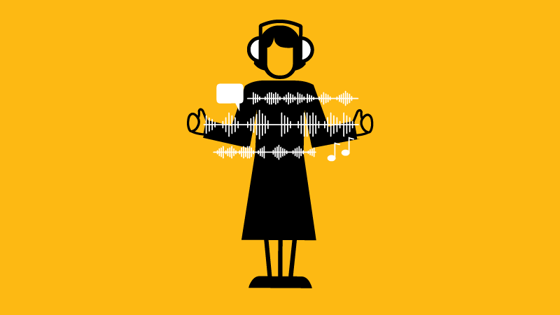
Sound editors, sometimes known as track layers because of the task they perform, systematically work through films checking the sound of each sequence – dialogue, music and sound effects – and ensuring it all comes together perfectly in sync.
After the pictures have been put together and finalised in the edit, the files are prepared for the dub, where the final sound is mixed. But before this happens, it goes through a stage known as ‘track laying’. Not every film will need track laying. Some, such as a three-minute insert in a magazine programme, may go straight to the dub from the picture edit, but full-length dramas or documentaries almost always require the skills of a sound editor to perform an audio track lay.
The sound editor has the best audio tools in the house. They have lots of different sources to deal with: dialogue from location and dialogue from the ADR sessions, plus location sound effects and effects downloaded from audio libraries, as well as any Foley sound effects that have been created. They also have to lay-in music, both specially composed and from music libraries.
The sound editor looks at every moment in the film to check all the effects are doing the right job. Is the slamming of a car door loud enough? Is the firing of a machine gun powerful enough? Does the sound of a baby crying sound realistic? If the effects don’t have enough impact, the sound editor may decide to change them or add to them.
Even with all these audio clips there can still be gaps in the soundtrack and the sound editor needs to fill them in. It could be the background effects vanish just before a scene ends, so if that’s the case the sound editor will decide whether to extend the effects track or add some new effects in order that the dubbing mixer can make a smooth transition between scenes.
Once every track is in place, with no gaps and the right effects, the sound editor passes the film on to the dub, where the sound mixer or dubbing mixer does the final mix.
Watch and read
- How to Start a Post-Production Sound Career After Audio School
- Audio Post-Production: Complete Guide, Techniques
- Post-Production Sound Careers: What Are the Different Jobs?
What’s a sound editor good at?
- Understanding sound: know how it behaves, how we hear, how sound can be manipulated and distorted
- Using audio software: have an in-depth knowledge of the audio editing software and an appetite for continuously learning new and more efficient ways of using it
- Imagination: be able to create a soundscape that feels right for the film, programme or game
- Attention to detail: work alone with a complex set of tracks, ensuring each clip is in sync with the pictures and is as accurate as possible to what is being seen
- Collaboration: pick up the tracks from the picture edit and be able to anticipate the needs of the dubbing mixer, ensuring they have all the tracks they need
Who does a sound editor work with?
Track laying itself is a solitary task, but sound editors must communicate with the picture editor and dubbing mixer.
How do I become a sound editor?
There are no set routes to becoming a sound editor but many work their way up from being runners in a post-production or audio post-production house.
At school or college:
To study a sound-related course at university, it’s useful to have A-levels or Highers in maths, physics, electronics and music. Or you might want to take a level 3 vocational qualification. Have a look at what your local college offers in those subjects and search training providers such as Pearson and City & Guilds.
Get an apprenticeship:
Apprenticeships are work with training, so they can be a great opportunity to earn as you learn. You might find an apprenticeship as a post-production technical operator in a post-production company. This could give you good experience of managing files as well as useful contacts in the post-production industry. If you continue to compose and learn about music, it’s possible to build up to the role of music editor.
Check out What’s an apprenticeship? to learn more about apprenticeships and Find an apprenticeship to find one in your region, or approach companies directly. Go to Information and resources and click on Apprenticeships to see what's available at the moment.
Get a degree:
It’s not necessary to have a degree to be a track layer, but you might want one in sound engineering or music technology. A degree can help you get into higher-grade jobs such as supervising sound editor. You could also do a first degree in maths or music and then specialise in sound at post-graduate level. Have a look at ScreenSkills’ list of recommended courses in film and TV. We recognise courses with our ScreenSkills Select award where they offer training in the relevant software, dedicated time to building a portfolio and have strong links with the film and TV industries.
Build a portfolio:
Make your own sound. Create a body of work that you can show off to employers. Go to Build your sound portfolio to learn how.
Search for jobs:
Research the post-production houses you’d like to work for and watch the programmes that they make. Regularly check their websites to see if they are advertising for roles. Check out ScreenSkills job boards.
Meet people in the industry:
Go to ScreenSkills’ events, follow your local film office and any local community arts and media organisations and attend their events. Go to how to network well for some tips.
Network online:
Create a LinkedIn profile. See if there’s a Facebook page or other social media group for people making films or videos in your area. Join it and take part. Create a ScreenSkills profile.
Explore ScreenSkills Resources:
ScreenSkills careers information:
The your career hub has a wealth of resources designed to help you start or progress your career.
ScreenSkills e-learning:
ScreenSkills has a suite of free e-learning modules for those who are over 18 which can improve your knowledge. The ScreenSkills Passport modules also prepare you as they are essential for some production roles. Some modules are available for those under 18. For anyone wanting advice about first steps, the Getting into the screen industries modules are very useful.
ScreenSkills skills checklists:
If you would like more detail about the tasks, responsibilities and skills required for many key roles in film and TV drama, children’s TV and unscripted TV you can look at our skills checklists.
You might also be interested in...
Being a sound recordist in unscripted TV. There are also openings in commercials and corporate and music videos. Or you might want to be a supervising sound editor in post-production.
Further resources
- Sound for moving pictures
- The Association of Motion Picture Sound (AMPS)
- Institute of Professional Sound (IPS)
- Community Media Association
- Hospital Broadcasting Association
- Professional Lighting and Sound Association (PLASA)
- The Audio Engineering Society
- Sound and Music
- Eleanor Adler
- Post-production runner: my first job in film
- Bectu (the media and entertainment union)
- Bectu Ratecards
- UK Screen Alliance
- ScreenSkills resources directory