Post-production
Subtitler (Post-production)
What does a subtitler do?
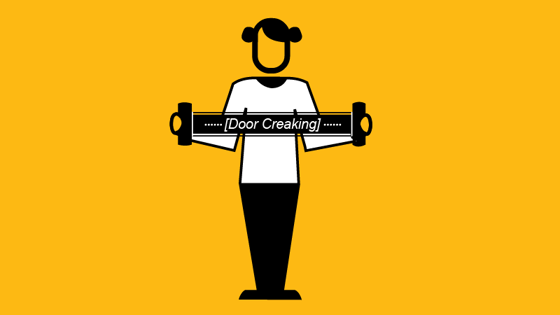
Subtitlers make it possible for films and TV programmes to be enjoyed by audiences all over the world and by the deaf and hard of hearing. They translate all the dialogue, music and sound effects into two-line written captions that appear on the screen, either in the language in which the film is made or in a foreign language.
On a feature film, subtitlers watch and listen to the whole film. They write captions with accurate time codes that describe music and sound effects as well as the dialogue and voiceovers. The captions have to be punctuated and spelt correctly and should be on the screen long enough to be read easily. Translating subtitlers translate the dialogue and write subtitles in the language for a particular audience.
Once they’ve done that and checked all the spelling is correct and that the captions don’t obscure characters’ faces, the files are sent to the mastering house, where they are transferred onto the final soundtrack of the film in all the various formats. The film can then be distributed to cinemas offering subtitled screenings or to cinemas around the world. Film subtitlers are usually employed by specialist post-production companies, but sometimes work on a freelance basis.
Subtitlers for television are more likely to be hired by broadcasters, such as the BBC or Channel 4, than post-production houses. They create the subtitles for pre-recorded TV programmes, often creating them using voice-activated software. On live programmes, they have to do hours of research anticipating the words or phrases that might come up, to make it easier to subtitle accurately live.
Watch and read
- How to work as a Subtitler (Freelance Translator)
- Subtitler: The Complete Career Guide
- Subtitles - The Ultimate Guide to Movie Subtitling Format, Style & Etiquette
- How to become a subtitler: here's what you need to know
What's a subtitler good at?
- Concentration: be able to focus, particularly if you are doing live subtitling for broadcasting
- Attention to detail: work precisely to tight deadlines with text and timing
- Grammar: be able to spell, punctuate and use grammar accurately
- Languages: translate the dialogue into the required language sensitively (for translator subtitlers)
- Interest in deaf audiences: care about the experiences of the deaf and hard-of-hearing
How do I become a subtitler?
Many post-production companies that offer subtitling services train the subtitlers themselves. Or you could do an MA in subtitling.
At school or college:
A-levels or Highers in drama and theatre, English, modern foreign languages, music, art and design, photography, graphic design, graphic communication and media studies are useful. Look at what your local college offers in those subjects such as:
- OCR Technical Diploma in Digital Media (Moving Image and Audio Production)
- UAL Diploma/Extended Diploma in Creative Media Production and Technology
- OCR Cambridge Technical Diploma/Extended Diploma in Performing Arts
- BTEC National Diploma/Extended Diploma in Performing Arts
- T level Media, Broadcast and Production
- UAL Applied General Diploma in Art and Design
- UAL Diploma/Extended Diploma in Art and Design
- OCR Cambridge Technical Diploma in Art and Design (3D Design)
- OCR Cambridge Technical Diploma in Art and Design (Graphic Design)
- OCR Cambridge Technical Diploma in Art and Design (Photography)
- T level Craft and Design
Get a degree:
If you want to be a translator subtitler, then a degree in your chosen language is excellent preparation. Or you could do a degree in a subject you really enjoy and then study for a Masters in subtitling.
Look on the websites of post-production facilities:
Ask if you can do work experience. See if they are looking for a subtitler.
Meet people in the industry:
Go to ScreenSkills’ events, follow your local film office and any local community arts and media organisations and attend their events. Go to how to network well for some tips.
Network online:
Join SUBTLE on Facebook or other social media groups. Get talking to other subtitlers for tips on getting into the industry. Create a ScreenSkills profile.
Explore ScreenSkills Resources:
ScreenSkills careers information:
The your career hub has a wealth of resources designed to help you start or progress your career.
ScreenSkills e-learning:
ScreenSkills has a suite of free e-learning modules for those who are over 18 which can improve your knowledge. The ScreenSkills Passport modules also prepare you as they are essential for some production roles. Some modules are available for those under 18. For anyone wanting advice about first steps, the Getting into the screen industries modules are very useful.
ScreenSkills skills checklists:
If you would like more detail about the tasks, responsibilities and skills required for many key roles in film and TV drama, children’s TV and unscripted TV you can look at our skills checklists.