Games
Physics programmer
Also known as: Vehicle dynamics programmer
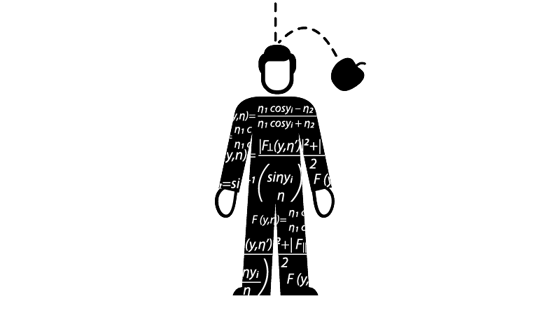
What does a physics programmer do?
Physics programmers create software that forms the basis of crashes, collisions and other things that move. When, for example, a car drives through water or bursts into flames, the effect needs to be similar to what would happen in real life. Physics programmers write the code, based on the laws of physics, to make this happen. It requires high-level knowledge of both physics and programming. It also requires a sense of gameplay and the right blend of realism and fun.
Watch and read
- Physics Programmer
- Careers in video games: vehicle dynamics programmer
- The Role of Physics in Game Programming: Enhancing Realism and Amazing Gameplay
What’s a physics programmer good at?
- Physics: have a firm knowledge of algebra, trigonometry and maths as well as the laws of physics
- Programming: be able to program in new scripting languages and systems
- Knowledge of games engines and platforms: understand the programming requirements and constraints of games consoles, PCs, handhelds and mobiles
- Knowledge of gameplay: understand how the physics effects will add to the player’s enjoyment of the game
- Innovation: develop cutting-edge systems and use them in creative ways
- Communication: share expertise with other team members like testers, animators and AI programmers.
Who does a physics programmer work with?
Physics programmers work with other departments such as animation and artificial intelligence (AI). They also work closely with testers and report to the lead programmer.
How do you become a physics programmer?
This is not an entry level role. Some studios take on junior physics programmers but even then, they require some experience of games programming. It can be useful to work as a QA technician to understand the industry and then move into being a generalist programmer before moving into physics programming.
At school or college:
If you want to go to university, take A-levels or Highers in maths, physics and computer science. You might want to take a level 3 vocational qualification in computing. Look at what your local college offers, and the qualifications offered by training providers like Pearson, NCC Education and T Levels.
Get a degree:
An increasing number of physics programmers have master’s degrees and PhDs. Get a degree in, physics, computer programming, game development or advanced mathematics. Or have a look at ScreenSkills’ list of recommended courses in games and select one in programming. We recognise courses with our ScreenSkills Select award where they offer training in the relevant software, dedicated time to building a portfolio and have strong links with the games industry.
Build a portfolio:
Create work that you can show off to employers. This is essential. Go to Build your games portfolio to learn how.
Start modding:
Create levels of a game using software provided by the publishers.
Search for jobs:
Use the UK Games Map to find out if there are games companies near you. Then go to their websites directly and check out their open roles. Look for a generalist or junior programmer role first.
Meet people in the industry:
Go to ScreenSkills’ events, follow your local film office and any local community arts and media organisations and attend their events. Go to how to network well for some tips.
Network online:
Create a LinkedIn profile. See if there’s a Facebook page or other social media group for people making films or videos in your area. Join it and take part. Create a ScreenSkills profile.
Explore ScreenSkills Resources:
ScreenSkills careers information:
The your career hub has a wealth of resources designed to help you start or progress your career.
ScreenSkills e-learning:
ScreenSkills has a suite of free e-learning modules for those who are over 18 which can improve your knowledge. The ScreenSkills Passport modules also prepare you as they are essential for some production roles. Some modules are available for those under 18. For anyone wanting advice about first steps, the Getting into the screen industries modules are very useful.
ScreenSkills skills checklists:
If you would like more detail about the tasks, responsibilities and skills required for many key roles in film and TV drama, children’s TV and unscripted TV you can look at our skills checklists.
You might also be interested in…
Being a technical animator, graphics programmer, gameplay programmer, an artificial intelligence (AI) programmer, a virtual reality (VR) programmer, tools engineer, an engine programmer or a network programmer in the games industry. You might also be interested in being a software developer in visual effects. Alternatively, you could consider a technical director (TD) role in VFX or in the animation industry.